by
by 
Your home’s electrical system is one of those things you only think about when it stops working — or when something catches fire. Electrical safety at home doesn’t require an engineering degree, but it does require attention. The warning signs are usually there well before anything goes seriously wrong.
Around 51,000 home fires a year trace back to electrical issues — and the vast majority were avoidable. Electrical safety at home isn’t a project you finish. It’s something you keep up with.
Why It’s Important to Check Your Home Electrics
Electrical systems don’t announce when they start going wrong. Insulation cracks a little. A connection works itself loose. A circuit that handled the house fine in 1987 now powers a home office, two TVs, and an EV charger. Electrical failures are among the leading causes of home fires and property damage — not because of dramatic moments, but because of slow, invisible buildup.
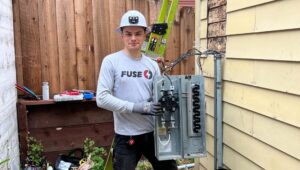
The Fuse Monterey technicians run into this constantly — homeowners who haven’t had an inspection in a decade, living with wiring that’s quietly working its way toward a problem. Brett Brenner, President of the Electrical Safety Foundation International, summed it up well: getting your home inspected by a qualified electrician is the most direct way to address safety in the home electricity before it becomes a crisis. And that’s exactly the kind of electrical safety at home mindset that prevents fires.
What Causes Electrical Hazards in Homes
Most of what threatens safety in the home electricity isn’t dramatic — it’s the everyday stuff people stop noticing.
Home safety preventing an electrical hazard starts with understanding where hazards actually come from. Common causes include overloaded circuits, faulty wiring, and damaged outlets — all of which build risk quietly over time:
- Overloaded outlets from too many devices
- Old or damaged wiring — especially in homes built before 1980
- Extension cords used as permanent solutions
- Faulty or aging appliances left plugged in
- Moisture near outlets in kitchens, bathrooms, and garages
Wiring in older homes tends to combine several of these at once, which is where real risk builds up.
Signs Your Home Electrics May Not Be Safe
Recognizing warning signs early is the core of electrical safety at home. Most problems announce themselves before they become emergencies — if you know what to listen for.
Flickering Lights and Tripping Breakers
Lights that flicker when you turn on the microwave, or breakers that trip more than once a month — these aren’t quirks, they’re symptoms. They usually point to overloaded circuits or loose connections that can’t handle demand. Check out the full rundown of electrical problems at home that warrant attention.
Burning Smells or Hot Outlets
A warm outlet or a faint burning smell is not something to sniff and forget about. Overheating wires and loose connections generate heat long before they generate flames. This is one of the clearest home safety preventing an electrical hazard signals your system will send.
Electric Shocks or Buzzing Sounds
A mild shock when touching a switch, or a buzzing sound from an outlet — both indicate grounding issues that need a technician, not a YouTube tutorial. Grounding problems can make an entire circuit dangerous to touch.
How to Check If Your Home Electrical System Is Safe
Knowing how to check electrical wiring in the home doesn’t require pulling anything apart. A basic visual inspection covers a lot of ground:
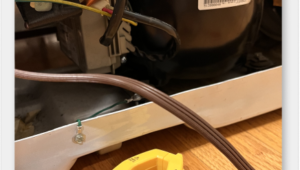
- Look for frayed, cracked, or exposed wires near appliances and behind furniture
- Check outlets for discoloration, scorch marks, or physical damage
- Test switches — anything that sparks, sticks, or feels warm is a problem
- Extension cords doing the job that actual outlets should be doing
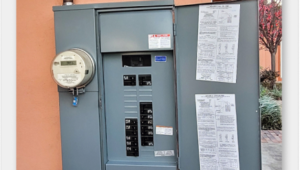
- Check your panel for labels — unlabeled breakers are a sign the system hasn’t been properly maintained
A cheap outlet tester from any hardware store can identify reversed wiring and missing grounds in seconds. It won’t replace an inspection, but it’s a useful first step in understanding how to check electrical wiring in the home.
The electrical safety rules at home that matter most are the simple ones: don’t overload outlets, don’t ignore warning signs, and don’t assume old wiring is fine just because it’s worked so far. That’s safety in the home electricity in practice.
The basic electrical safety rules at home aren’t complicated — it’s ignoring the small stuff that gets people into trouble.
How Often Should You Inspect Your Home Wiring
Newer homes — every 3–5 years. Anything over 25 years old — every 2–3, because older wiring doesn’t age gracefully. Just bought a place built in the 70s? Get someone in before you unpack. Same goes after a big renovation or a new heavy appliance going in.
Between inspections, trust your senses. Something flickering that wasn’t before, a smell that doesn’t belong, a sound from an outlet — none of that is your house settling. Call.
When to Call a Licensed Electrician
Some things are a visual check situation. Others need a technician. Here’s the line:
Call an electrician if you notice:
- Breakers tripping repeatedly, especially on the same circuit
- Any burning smell, even faint and occasional
- Sparks from outlets or switches
- Warm or discolored outlet covers
- Shocks from appliances or switches
- A panel that’s more than 25 years old with no upgrades
How to be safe with electricity at home also means knowing when not to DIY. Replacing an outlet cover is fine. Rewiring a circuit is not. The electricians in Salinas at Fuse Monterey handle exactly these situations — licensed, insured, and available same-day for urgent issues with free diagnostics included on any repair.
Knowing how to be safe with electricity at home means drawing that line before something forces you to. If you’re also weighing how much it costs to get a house rewired, we do have a breakdown.
Frequently Asked Questions
What are the most common electrical hazards at home?
Overloaded circuits, bad wiring, and appliances that should’ve been retired five years ago. ESFI puts electrical issues behind roughly 51,000 US home fires a year — and the pattern is almost always the same three things, quietly compounding each other.
How to be safe with electricity at home on a daily basis?
Honestly? Most of it comes down to not taking shortcuts. Cords under rugs, power strips chained together, GFCI outlets missing in the bathroom — each one feels minor until it doesn’t. The habits that prevent electrical hazards are boring on purpose.
How often should home electrical wiring be inspected?
Every 3–5 years if your home is relatively new. Every 2–3 years if it’s over 25. And immediately if you just bought an older place, did a major renovation, or started noticing anything on the warning signs list — don’t wait for the next scheduled slot.
Follow Fuse Monterey for electrical tips, home safety guides, and seasonal maintenance reminders:
📸 Instagram: @fusemtry ▶️ YouTube: @FuseMonterrey