by
by 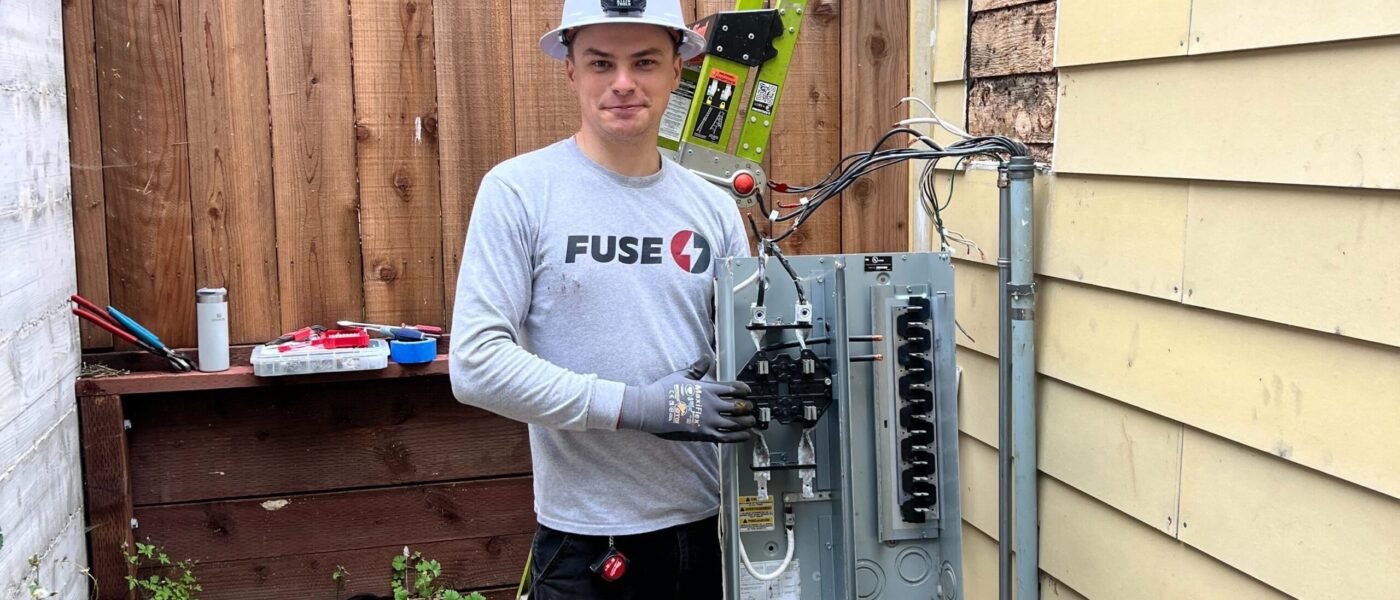
It’s widely known that electrical wiring in older homes is a disaster waiting to happen. Plasma TVs, PlayStations, and your favorite air fryer take much more electricity than what the wiring was designed to handle back in the day. With the most electrical stuff hidden inside the walls, it can be increasingly challenging to spot a potentially dangerous situation before it’s too late. Even if it’s all good, brushing up on some common dangers you can encounter as a homeowner is never a bad idea.
Becoming a part of U.S. Fire Administration statistics is not exactly fun – approximately 24,000 residential electrical fires occur each year, resulting in 295 deaths, 900 injuries, and over $1.2 billion in property damage. As recent research shows,home structure fires number in the hundreds of thousands annually, many traced back to aging or inadequate wiring from before the 1980s.
Why Old Wiring Puts Your Safety at Risk
There’s a whole categorization of dangers that outdated electrical systems put you in: fire, shock, equipment damage – and all of these are invisible to the naked eye. Wires behind drywall, slowly degrading insulation, loose connections – without a professional inspection, none of it becomes apparent.
“Regular electrical safety inspections are one of the best ways to avoid serious issues. Homeowners can use inspections to plan upgrades and reduce long-term costs.” – Barret Abramow, Co-Owner & Project Manager, Grounded Electric.
Homes built before the 1950s weren’t designed for anything above 30 amps. Most modern homes demand 100 to 200 amps – and that gap is exactly where fires start.
Outdated Knob and Tube Wiring
If your home predates 1950, there’s a solid chance K&T – knob-and-tube wiring – is still running through your walls, doing its best impression of modern electrical infrastructure. Old, crackled insulation and a lack of ground conductor make it practically helpless against faults or surges. The result? Arcing – electricity jumping between connections like it’s got nowhere better to be, and one of the top reasons older homes catch fire without any warning.
Aluminum Wiring in Older Homes
Aluminum wiring in older homes is another archaism replaced years ago by copper. Fast oxidation, expansion with temperature changes, increasingly loosening connections – a whole lot of heat where it’s not supposed to be.
The Consumer Product Safety Commission found that homes with aluminum wiring are up to 55 times more likely to experience fire hazard conditions. So it’s not an “uh, when I find time” situation – it’s a “go fix it now” situation. One of the best home service investments a Monterey-area homeowner can make.
Too Few Outlets and Overloaded Circuits
Having an outlet on every surface is pretty much a baseline these days. Those not so lucky compensate with extension cords and power strips – but 12 slots doesn’t mean you should use them all at once. A plethora of problems follows:
- Frequent circuit breaker trips
- Voltage sags that damage sensitive electronics
- Heat buildup at outlets and in the walls
- Potential arcing at loose connection points
Say “no” to power strips and “yes” to more outlets and a balanced electrical load. This is one of the most common electrical problems homeowners encounter in older properties and one of the most straightforward fixes a licensed electrician can handle.
Aging Insulation and Deteriorating Wires
Stuff’s supposed to be replaced from time to time – especially electricity. Even copper degrades, and past-its-expiration-date insulation absorbs moisture like a sponge. According to Angi, the average home needs rewiring approximately every 25 years. Deteriorating electrical wiring in older homes causes trouble silently – until it doesn’t.
Fixing Electrical Wiring Problems in Older Homes
Understanding the types of electrical wiring in older homes helps a good, licensed electrician assess the situation and recommend the right fix – targeted repair, partial upgrade, or full rewiring – without overcharging. The best home service providers offer free diagnostics before any work begins.
| Problem | Common Solution |
| Knob-and-tube wiring | Replace with modern copper wiring and grounded circuits approved for modern houses |
| Aluminum wiring | Install COPALUM connectors or rewire affected circuits with copper |
| Overloaded circuits | Add dedicated circuits and additional outlets |
| Outdated breaker panel | Replace with a modern panel rated for current loads |
| Missing GFCI/AFCI protection | Add it – yes, in the kitchen, bathroom, bedroom, and garage too |
| Insulation that’s seen better days | Replace affected wiring runs |
Nobody likes a bill that shows up bigger than expected – so checking the cost to install electrical wiring before committing saves a lot of headaches.
Your Older Home Is Trying to Tell You Something
The types of wiring in older homes – knob-and-tube, aluminum, degraded copper – each fail differently, so watch for these overlapping signs:
- Circuit breakers that trip repeatedly
- Lights that do a little dance every time the microwave starts
- Outlets that are weirdly warm – and no, that’s not normal
- Scorch marks or discoloration around outlets (that’s a no from us)
- A burning smell or buzzing sounds from any electrical component
Because the next sign could be a literal fire. Sound familiar? Put the phone down, don’t Google DIY fixes, and call a licensed electrician. And if your home predates the 1960s – honestly, just book an assessment. You don’t need a scorch mark to justify it. Full rewiring costs between $4,000 and $12,000 – far less than fire damage. For panel upgrades, see our guide on how much it costs to install an electrical panel.
Warning signs piling up, or haven’t you just thought about your wiring since you moved in? Fuse HVAC & Appliance Repair has you covered – licensed, insured, no hidden fees, free diagnostics with any repair, and same-day availability when things get spicy.
Book your electrical service with Fuse Monterey today – and stop wondering what might be hiding inside your walls.
How to Not Let Your Older Home’s Wiring Get the Last Laugh
The good news is that most wiring disasters are preventable. A little attention goes a long way. Here are some important things to keep in mind for maintaining electrical wiring in older homes:
- Schedule professional inspections every 3–5 years to catch deteriorating insulation, loose connections, or overloaded panels early.
- Avoid permanent extension cord use – temporary fix, not a substitute for adequate outlets.
- Test GFCI outlets monthly. If they don’t reset properly, replace them.
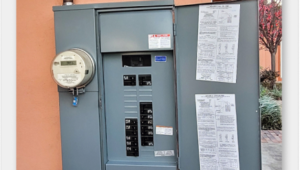
- Don’t ignore the panel. Fuse box still in place? An upgrade is overdue.
For homeowners in the Salinas area, our electricians in Salinas offer inspections and same-day service. Home service business owners can explore Fuse Club’s business coaching for growth strategies built around client trust.
Frequently Asked Questions About Wiring in Older Homes
What are the types of wiring in older homes?
The three most common types of wiring in older homes are knob-and-tube (pre-1950), aluminum (1965–1973), and early copper with cloth or rubber insulation (1950s–1970s). Not sure which types of electrical wiring in older homes you have? A licensed electrician can identify them during a standard inspection.
Is aluminum wiring dangerous in older properties?
The danger comes from connection points – aluminum oxidizes and loosens over time, generating heat and arcing risk. Depending on the condition, a professional may recommend COPALUM connectors or full copper replacement.
How much does it cost to rewire an older home?
Full rewiring runs $4,000–$12,000, depending on the size of the house and how much your walls are going to hate you afterward. Partial upgrades are cheaper. As for inspections, every 3–5 years is the standard, or the moment you smell something burning that isn’t dinner.
How often should electrical wiring in older homes be inspected?
Every 3–5 years is the rule of thumb for homes over 25 years old. That said, if you’re already noticing flickering lights, warm outlets, or frequent breaker trips – don’t wait for the calendar. Call now.
Follow Fuse Monterey for home safety tips, behind-the-scenes content, and seasonal maintenance reminders: