by
by 
Most HVAC failures aren’t dramatic. They’re a clogged filter, a tripped breaker, a thermostat set to the wrong mode. Before assuming the worst, run through the basics — you might find the fix before a technician does.

“About 40% of the service calls we go out on turn out to be something the homeowner could have caught first — dead thermostat batteries, a disconnect switch left off after yard work, a filter that hasn’t been changed in a year. The other 60% genuinely need a technician. Knowing the difference saves time and money.”
— Mykola Beschasnyi, CEO, Fuse Monterey.
According to the U.S. Department of Energy, HVAC accounts for nearly half of a home’s total energy use. When the system goes down, the impact is immediate — and so are the costs if the wrong diagnosis leads to the wrong repair.
Why Your HVAC System Stops Working
HVAC not working doesn’t always mean something failed. A lot of the time it means something got switched off, set wrong, or clogged. Start at the simple end before you call anyone.
Thermostat Issues
Dead or Weak Thermostat Batteries
Blank screen, no response — replace the batteries before anything else. It takes two minutes and fixes the problem more often than you’d think.
Incorrect Settings
HVAC thermostat not working the way you expect often comes down to mode. Is it set to heat or cool? Is the fan on “Auto” or “On”? A system running with the fan stuck on “On” blows unconditioned air and feels broken when it isn’t.
Faulty or Outdated Thermostat
Thermostats don’t last forever. Irregular cycling, unresponsive controls, or a display that’s right half the time — those are signs the thermostat itself is the problem, not the system behind it. An hvac thermostat not working after fresh batteries usually points to a wiring fault or a unit past its lifespan.
Dirty or Clogged Air Filter
How a Dirty Filter Kills Airflow
A clogged filter blocks the air the system needs to function. The unit overworks, overheats, and eventually shuts down or freezes up. It’s the most preventable cause of hvac system not working calls we get.
How Often to Change It
Every 1–3 months as a baseline. Pets, dusty environments, and heavy use push that toward monthly.
What Ignoring It Leads To
Frozen evaporator coils. Reduced efficiency. Full system shutdown. A $10 filter swap prevents a $500 service call. That’s the math.
Tripped Circuit Breaker or Blown Fuse
How to Check the Breaker Box
Go to the panel, look for any tripped HVAC breakers, reset once. If it trips again immediately — stop. Repeated trips mean something is drawing too much current. Resetting it repeatedly without finding the cause can damage the system. For broader context on home electrical issues, see our guide on common electrical problems at home.
Why Breakers Keep Tripping
Failing motors, short circuits, or electrical overload in the system. Any of these need a technician, not another reset.
Electrician vs. HVAC Tech
Panel and wiring problems — electrician. System performance causing the overload — HVAC tech. Sometimes both.
Disconnect Switch Is Off
Indoor Disconnect
Near the air handler or furnace, usually looks like a standard light switch. Gets flipped off accidentally during cleaning, moving furniture, or any work done near the unit.
Outdoor Disconnect
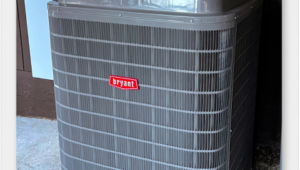
Near the outdoor unit. Often shut off during landscaping or maintenance and forgotten. Check it before anything else when the outdoor unit won’t run.
Why This Happens More Than It Should
Anyone who doesn’t recognize the switch for what it is will flip it without thinking. It’s worth labeling both if you haven’t already.
Pilot Light Problems (Gas Systems)
How to Tell If the Pilot Is Out
No heat from a gas system — look inside the unit for a small flame. No flame, no heat. Simple as that.
Common Causes
Gas supply interruption, a worn thermocouple, or drafts from nearby vents or doors. HVAC heat not working in winter on a gas system almost always starts here.
Relighting It
Follow the instructions printed on the unit. If you smell gas at any point — stop, leave the area, and call the gas company. Don’t try to relight it.
Malfunctioning Ignition System
Electronic vs. Standing Pilot
Newer systems use electronic ignition instead of a constant pilot flame. More efficient, but when they fail the symptoms can look like a total system failure.
Signs of Ignition Failure
The system clicks, runs briefly, and shuts off. Or it clicks repeatedly without starting. Or nothing happens at all.
Why It Needs a Pro
Ignition components tie directly into safety systems. Not a DIY repair.
Faulty Capacitors or Starting Components
What Capacitors Do
They store and release energy to start and run the motors. Without them, the motor can’t do either reliably.
Signs of Failure
Humming, hard starts, or a unit that clicks but won’t run. HVAC blower motor not working is often a failed capacitor, not the motor itself — and a capacitor replacement is far cheaper than a motor replacement. A failed run capacitor will also produce the hvac blower motor not working symptom even when the motor is perfectly fine.
Start vs. Run Capacitor
Start capacitor gets the motor going. Run capacitor keeps it running. Both can fail on their own.
Blown Transformer or Bad Contactor
What the Transformer Does
Steps down high voltage to the lower voltage the system controls run on. Fails quietly — the system just stops responding to the thermostat.
Why Transformers Fail
Power surges, age, or wiring faults. Common in older systems.
What the Contactor Does
It’s the switch that sends power to the compressor and outdoor fan. HVAC fan not working on the outdoor unit while the indoor unit runs — bad contactor is the first thing to check.
Dirty Evaporator or Condenser Coils
How Dirty Coils Hurt Performance
Coils move heat into or out of the air. Coat them in dirt and they can’t do that efficiently. The system runs longer, works harder, and still can’t hit the target temperature.
Indoor vs. Outdoor Coil
Evaporator coil is inside — it’s what the blower pushes air over. Condenser coil is outside — it releases the heat to the outdoor air. Both get dirty.
How Often They Need Cleaning
Annually by a professional. More often in dusty or high-pollen environments.
Blocked or Closed Vents and Registers
How Obstructions Affect the System
Blocked vents throw off the airflow balance. Some rooms overheat, others stay cold, and the whole system works harder to compensate.
Common Culprits
Furniture pushed against vents, rugs over floor registers, debris around outdoor units. Walk the house and check before making a service call — it takes five minutes.
Refrigerant Leak or Low Refrigerant Charge
Signs the System Is Low
Warm air from a cooling system, ice building up on the lines or coils, run cycles that never seem to end.
Why Leaks Are Serious
Low refrigerant damages the compressor over time. It also means there’s a leak somewhere — and adding more refrigerant without fixing the leak just delays the next problem.
What Fixing It Actually Involves
Find the leak, repair it, then recharge to spec. In that order.
Physical Damage to HVAC Components
Outdoor Unit Damage
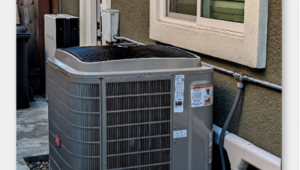
Landscaping, impact, or weather can bend coil fins, damage refrigerant lines, or knock out electrical connections. Keep two feet of clearance around the outdoor unit.
Damaged Wiring or Lines
Pests, age, or accidental contact. Electrical safety at home covers what to watch for — same principles apply to HVAC wiring.
Repair or Replace
Major damage on an old system — do the math on replacement first. We run both numbers before recommending either.
Lack of Regular Maintenance
What Gets Skipped
Coils, filters, electrical connections, belts, moving parts — all of it degrades without attention.
How Tune-Ups Prevent Calls
A small issue caught in spring doesn’t become an emergency call in July. According to a 2024 ACHR News report, nearly 70% of HVAC repairs are preventable with regular maintenance — and homeowners on annual maintenance plans spend 30–40% less on emergency service calls over five years. The DOE also found that a moderately dirty coil alone increases electricity use by up to 47% depending on system size. An hvac system not working in peak season almost always has warning signs that showed up weeks earlier.
What a Full Inspection Covers
Performance check, safety review, cleaning, component testing, ductwork assessment. Leaky ducts can lose up to 30% of conditioned air — see our guide on ductwork replacement costs for what that repair involves.
HVAC Not Blowing Warm Air Specifically
Wrong Thermostat Setting
In “Heat” mode? Set above the current room temperature? A heater not working is this simple surprisingly often.
Heat Exchanger Problems
Cracked heat exchangers block proper heating and create a carbon monoxide risk. HVAC heat not working with a gas furnace — this one needs a technician the same day.
Heat Pump Stuck in Cooling Mode
Reversing valve faults leave the system in cooling mode regardless of the thermostat setting. HVAC fan not working to produce heat on a heat pump — reversing valve or refrigerant issue, both need a pro. A heater not working on a heat pump in mild weather is also worth checking — some units lock out of heating mode above certain outdoor temperatures.
Duct Leaks
HVAC heat not working in specific rooms while others stay warm — check the ducts before assuming the unit is at fault. HVAC fan not working to move heat to far rooms is often a duct problem, not a system problem.
Call Fuse Monterey for HVAC Repair on the Monterey Peninsula
HVAC not working when you need it most — that’s when response time matters. Fuse Monterey handles diagnosis, repair, and maintenance across the Peninsula. Licensed technicians, same-day availability where the schedule allows, $99 diagnostic applied toward your repair.
Call us or book online.
Instagram: @fusemtry YouTube: @FuseMonterrey